
Leading Tools And Materials For Successful Concrete Installations
Equip yourself with the most effective products that support durability, accuracy, and smooth workflow in concrete work.
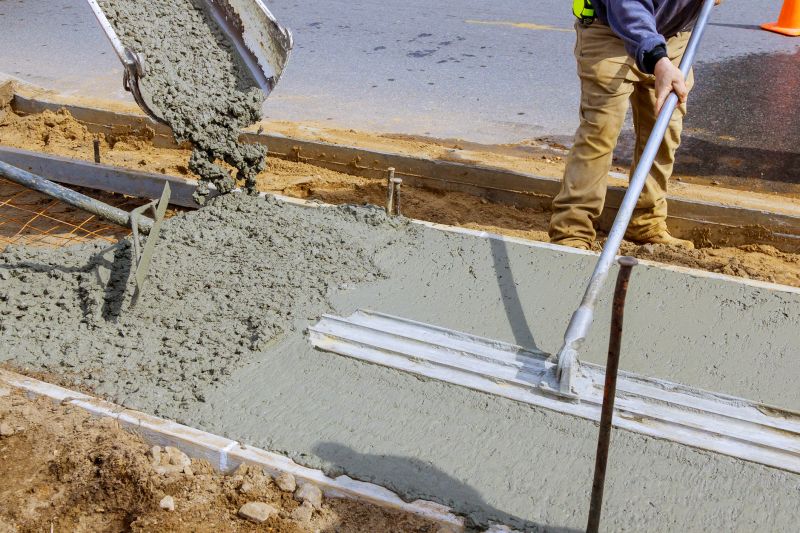 Concrete installations are a fundamental aspect of construction and landscaping projects in Cheyenne, WY. Whether you're pouring a new driveway, creating a patio, or installing decorative elements, selecting the right products is essential for a durable and successful outcome. The process involves multiple stages, including preparing the site, choosing appropriate materials, and ensuring proper finishing techniques. Having the right tools and supplies can make a significant difference in achieving a professional-looking result that withstands the test of time.
Top Overall Option
Concrete Mix with Additives
A versatile concrete mix that incorporates additives for enhanced workability and durability. Suitable for a variety of applications, this product provides a reliable foundation for both small and large projects. Proper mixing and application are essential to achieve optimal results, ensuring the concrete sets properly and resists common issues such as cracking or surface deterioration.
Types of Products For Concrete Installations
Concrete Mixes
Pre-blended concrete mixes designed for different applications, from foundations to decorative elements.
Concrete Additives
Chemical additives that modify setting times, improve workability, or enhance durability.
Form Release Agents
Products used to prevent concrete from sticking to molds and forms, ensuring clean removal.
Concrete Sealers
Protective coatings applied after curing to seal the surface and resist stains or weathering.
Reinforcing Mesh and Rebar
Steel reinforcement materials to improve the structural integrity of concrete slabs.
Vibrators and Compactors
Equipment used to eliminate air pockets and ensure proper compaction during pouring.
Trowels and Finishing Tools
Hand tools essential for surface smoothing and finishing.
Concrete Curing Blankets
Materials used to retain moisture and promote proper curing of concrete.
Expansion Joints
Materials that allow for movement and prevent cracking due to temperature changes.
Surface Texturing Products
Tools and compounds used to create slip-resistant or decorative textures.
Bonding Agents
Products that improve adhesion between old and new concrete surfaces.
Concrete Repair Mortars
Specialized mortars designed for patching and repairing damaged concrete.
Waterproofing Membranes
Layers applied to concrete surfaces to prevent water penetration.
Formwork Materials
Plywood, metal, or plastic forms used to shape the concrete during setting.
Concrete Dyes and Stains
Coloring agents used to enhance the appearance of finished concrete surfaces.
Grinding and Polishing Tools
Equipment for surface finishing, smoothing, and polishing concrete floors.
Edge and Corner Tools
Specialized tools for detailed finishing around edges and corners.
Popular Choices
Widely used for general construction, offering a reliable base for various projects.
Concrete with polymer additives for improved adhesion and flexibility.
Contains fibers for enhanced crack resistance and durability.
Designed to flow and settle evenly, ideal for smooth surfaces.
Sealers that provide long-lasting protection and enhance appearance.
Ready-to-use patches for quick repairs of cracks and surface damage.
Products to add color and patterns for aesthetic enhancement.
Support systems to keep reinforcement in proper position during pour.
Tools that help eliminate air pockets and improve compaction.
Ease form removal and ensure clean edges.
Protect concrete surfaces from moisture ingress.
Materials that accommodate movement and prevent cracking.
Create slip-resistant or decorative finishes.
Add vibrant or subtle color effects to concrete surfaces.
Assist in maintaining moisture during the curing process.
Ensure clean, sharp edges for aesthetic or safety purposes.
From basic concrete mixes to specialized additives, the variety of products available caters to different project sizes and complexities. Properly selecting and using these products can help prevent common issues such as cracking, uneven surfaces, or weak joints. For larger projects, equipment like concrete mixers and vibrators are often necessary to ensure a uniform pour and proper consolidation. Smaller projects may require hand tools and surface finishing supplies to achieve a smooth, polished appearance.
Understanding the key considerations when choosing products can help homeowners and contractors make informed decisions. Factors such as the type of concrete, environmental conditions, and the specific application will influence product selection. For example, outdoor installations in Wyoming's climate may require products that enhance freeze-thaw resistance. Additionally, safety and ease of use are important aspects to consider, especially for DIY enthusiasts. Investing in quality products and tools can ultimately lead to more successful and long-lasting concrete installations.
In Cheyenne, WY, sourcing the right products locally can also ensure compatibility with regional building standards and climate conditions. Whether shopping online or visiting local suppliers, understanding the range of available products and their intended uses can streamline your project and improve results. Proper preparation, product selection, and application are all critical components of a successful concrete installation, making it worthwhile to research and choose carefully from the options available.
Key Buying Considerations
- Project scope and size to determine the quantity and type of products needed.
- Compatibility of products with specific concrete types and additives.
- Environmental conditions such as temperature and humidity during application.
- Desired finish and surface texture for aesthetic or functional purposes.
- Durability requirements based on the installation location and usage.
- Ease of use and safety features of tools and products, especially for DIY projects.
- Compatibility with existing materials if performing repairs or overlays.
- Climate considerations, such as freeze-thaw resistance in Wyoming's weather.
- Curing and drying times to plan project timelines effectively.
- Budget constraints while balancing quality and performance.
- Availability of products from local suppliers or online sources.
- Long-term maintenance and protection needs for installed concrete.
- Regulatory standards or building codes relevant to concrete installations in Cheyenne.
- Environmental exposure, including potential for water infiltration or chemical contact.
- Compatibility with reinforcement materials like rebar or mesh.